
Rethinking Active Aging: A Conversation with Colin Milner
Published: September 28, 2026
By: Dr. Sue Paul, Sr. Dir. Well-being & Brain Health, Asbury Communities, Inc.
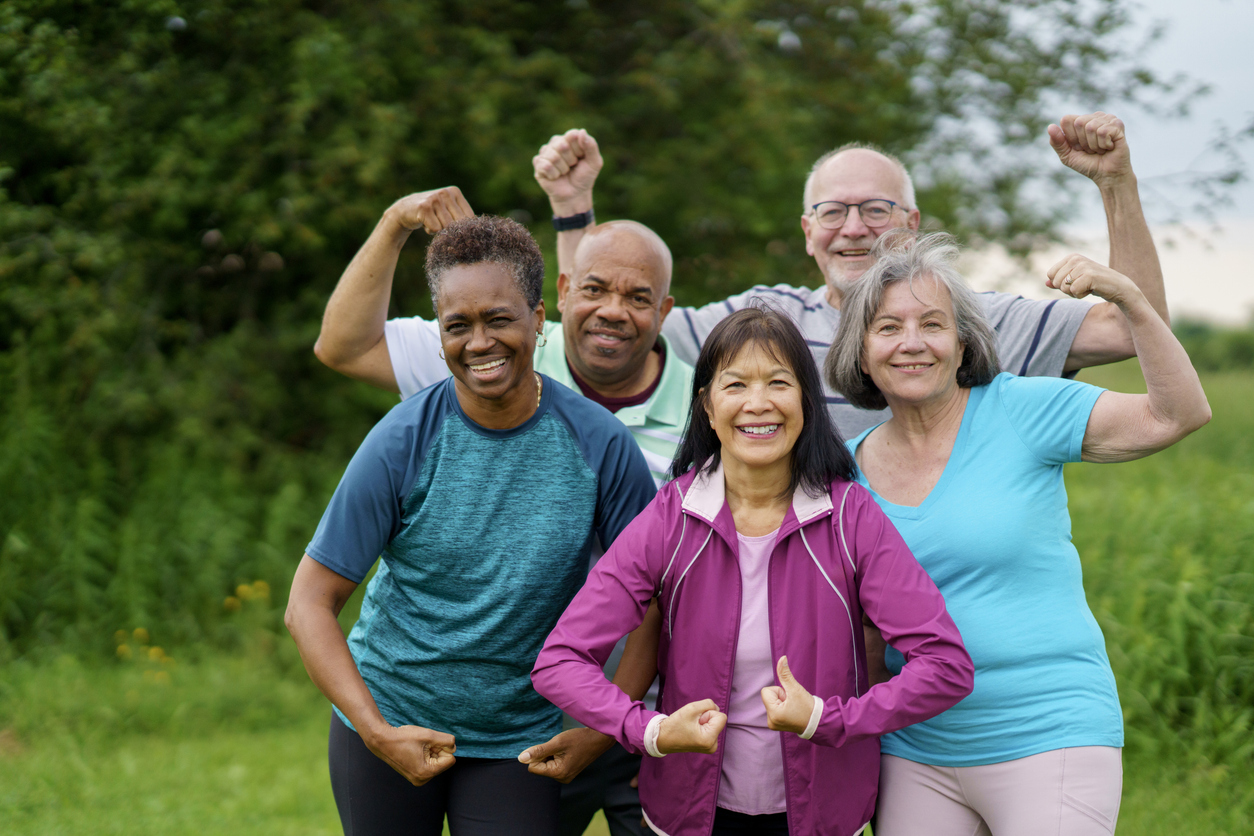
Active Aging Is About Staying Engaged in Life
Each October, Active Aging Week gives us an opportunity to celebrate what is possible as we grow older. It is a time to try something new, reconnect with familiar interests, and challenge some of the assumptions we have absorbed about aging.
For this month’s episode of Ask Asbury, I spoke with Colin Milner, CEO of the International Council on Active Aging, about what active aging really means and how our understanding of it continues to evolve.
The word “active” often brings physical fitness to mind. We picture someone running, lifting weights, riding a bicycle or competing well into their later years. Those stories can be inspiring, but they can also leave people with the impression that active aging is reserved for those who are exceptionally healthy or independent.
Colin offered a much broader and more inclusive definition. Active aging is not simply about exercise or physical ability. It is about remaining engaged in the parts of life that matter to us.
That engagement will look different for everyone. It might involve movement, learning, relationships, creativity, spirituality, time outdoors, or contributing to the lives of others. A person living with a chronic condition, disability or significant physical limitation can still participate in active aging by making choices that support connection, meaning and well-being.
Our conversation also moved beyond longevity- the increasingly popular pursuit of living longer- to the more important question of how we want to live during those years. A longer life is not necessarily a better life if it is accompanied by years of preventable isolation, poor health or disengagement. The real goal is to extend our health span and preserve the ability to participate in life at the highest level possible for as long as possible.
This requires more than good intentions. Colin and I discussed the value of approaching our future with a sense of direction. What would you like to be able to do a year, three years or five years from now? Once that goal is clear, you can begin working backward to identify the habits, supports and choices that may help you reach it.
Mindset matters as well. We have been taught to view decline as an automatic and unavoidable part of aging. While change is inevitable, decline is not always a straight or irreversible path. People can improve strength, mobility, cognitive abilities, and confidence later in life, particularly when they believe improvement is possible and are willing to work toward it.
At the same time, active aging cannot be reduced to individual willpower. Our surroundings help shape our choices. Access to nature, safe walking spaces, nutritious food, meaningful programs and opportunities to connect with others can make participation easier—or create barriers to it.
The social environment may be especially important. We often talk about whether an older person is independent or dependent, but Colin introduced another valuable concept: interdependence. Healthy communities are built not only around the people we rely upon, but also around the people who rely upon us. Feeling needed, connected and able to contribute supports identity and belonging at every age.
Technology will undoubtedly play a growing role in this environment. Apps, wearable devices, virtual programs, and artificial intelligence can help us monitor health, access information, and stay connected. But technology should remain a tool rather than become the purpose of our lives. Its value depends on whether it helps us accomplish something that genuinely matters to us.
Perhaps the most meaningful part of our conversation centered on purpose and fulfillment. Purpose does not need to be a single grand mission. It can change as our roles, interests, and identities change. What gives our lives meaning at 40 may be different from what fulfills us at 70 or 90.
That is not a loss. It is part of continuing to develop.
Active aging is ultimately less about resisting age and more about participating in life. It means identifying what matters, using the resources available to us, staying connected to other people, and remaining open to growth.
The encouraging message from my conversation with Colin is that change remains possible. We can revise our goals, reinvent our roles, and discover new sources of purpose throughout our lives. Active Aging Week may give us a reason to begin, but the choices that support a fulfilling life belong in every week of the year.