
A Century of Community: What 100 Years of Serving Older Adults Has Taught Us About the Future of Aging
Published: May 1, 2026
By Todd Andrews, Chief Operating Officer, Asbury Communities
Over the past 100 years, the way Americans experience aging has changed dramatically. What hasn’t changed is something simple but powerful: community remains at the heart of living well at every stage of life.
This year, Asbury Communities is celebrating our centennial. Reaching 100 years gives us a unique opportunity to reflect not just on where we’ve been, but on what the future of aging will require from organizations like ours.
Over the years, I’ve learned that some of the best insights about aging don’t come from industry reports or boardrooms. They come from everyday conversations like walking through our communities, sitting with residents over coffee, or talking with associates who dedicate their work to caring for others.
Those conversations remind me that aging well has always been about more than services or programs.
It’s about people.
Where We’ve Been: A Mission Rooted in Community
When Asbury was founded a century ago, the mission was clear: to serve older adults with dignity, compassion, and respect.
At that time, senior living communities often focused primarily on providing care and security. The goal was to ensure older adults had a safe place to live and access to the support they needed.
That mission remains essential today.
But what has evolved (dramatically) is how older adults define a life well lived.
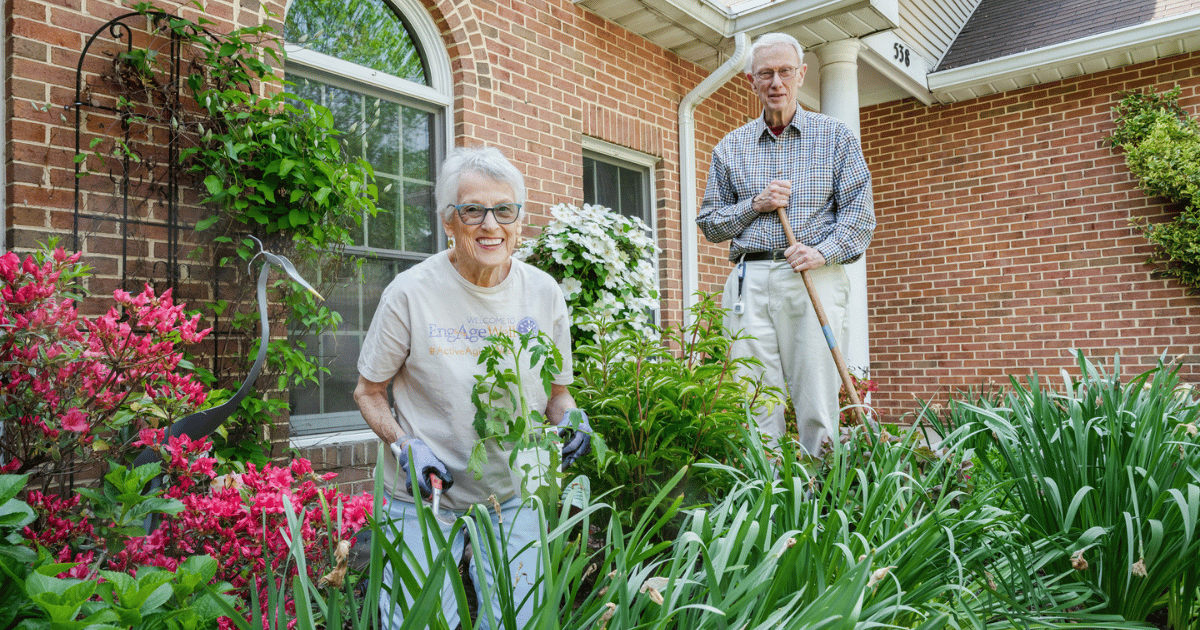
Over the years, our communities have grown into places where people continue learning, building friendships, contributing to their talents, and staying engaged with the world around them.
One of the things I appreciate most in my role is the opportunity to see this firsthand. When you spend time in our communities, you quickly realize they are filled with remarkable people who continue to lead meaningful, active lives well into their later years.
In many ways, they continue to teach us what aging well really looks like.
Where We Are Today: A New Era of Aging
Today we are living through one of the most significant demographic shifts in American history.
More than 61 million Americans are now age 65 or older, and by 2030 one in five Americans will be over 65. Even more notable, the population over 80, the group most likely to benefit from supportive living environments, is expected to grow significantly in the coming decade.
For those of us in senior living, these numbers are more than statistics. They signal a responsibility to evolve how we support the next generation of older adults.
Today’s residents are not simply looking for care. They’re seeking opportunities for wellness, connection, purpose, and lifelong growth.
At Asbury, that evolution has led us to expand how we think about wellness and healthy aging.
One example is our Kinnections Brain Health program, which is now offered across many of our communities. The program is designed to support cognitive health through evidence-based practices that focus on five key areas: physical activity, mental stimulation, nutrition, social engagement, and emotional well-being.
What makes Kinnections particularly meaningful is how it reflects what we’ve learned from residents themselves. People want tools and support that help them stay mentally alert, socially connected, and engaged in life.
Brain health isn’t just about memory; it’s about maintaining independence, confidence, and quality of life.
Programs like Kinnections reflect a broader shift happening across senior living. Communities are increasingly focused on proactive wellness, not just reactive care.
And that shift is redefining what it means to age well.
Where We’re Headed: Planning for the Future of Aging
As we look ahead to the next century of service, one lesson stands out clearly.
The best aging experiences rarely happen by accident. They happen when people can plan.
Historically, many families explored senior living only when a health event or sudden need made the decision urgent. But today we’re seeing a growing number of older adults approach the decision differently.
They’re planning ahead.
They’re visiting communities years before they might move. They’re joining future resident programs, so they have options when the time is right. They’re thinking about how they want to live and not just where they’ll receive care.
That shift is empowering.
Planning ahead allows individuals to choose environments that support their health, independence, and sense of belonging long before they need additional support.
And as the population ages and demand for senior living continues to grow, proactive planning will become even more important for future generations.
What 100 Years Has Taught Us
After spending years in this field (and after learning from the residents and associates who shape our communities every day) I’ve come to believe a few things about aging.
First, community changes everything.
Second, aging isn’t about slowing down; it’s about continuing to grow, contribute, and stay connected.
And third, organizations that serve older adults must continue to evolve, just as the people we serve do.
At Asbury, our centennial is more than a milestone. It’s a reminder that our mission has always been rooted in something timeless: supporting people as they live meaningful lives.
The future of aging will bring new innovations, new expectations, and new opportunities to help people live well longer.
But if the past 100 years have taught us anything, it’s this:
When people are surrounded by community, supported in their well-being, and empowered to plan, aging becomes not something to fear but something to embrace.
And I’m grateful to be part of the journey.